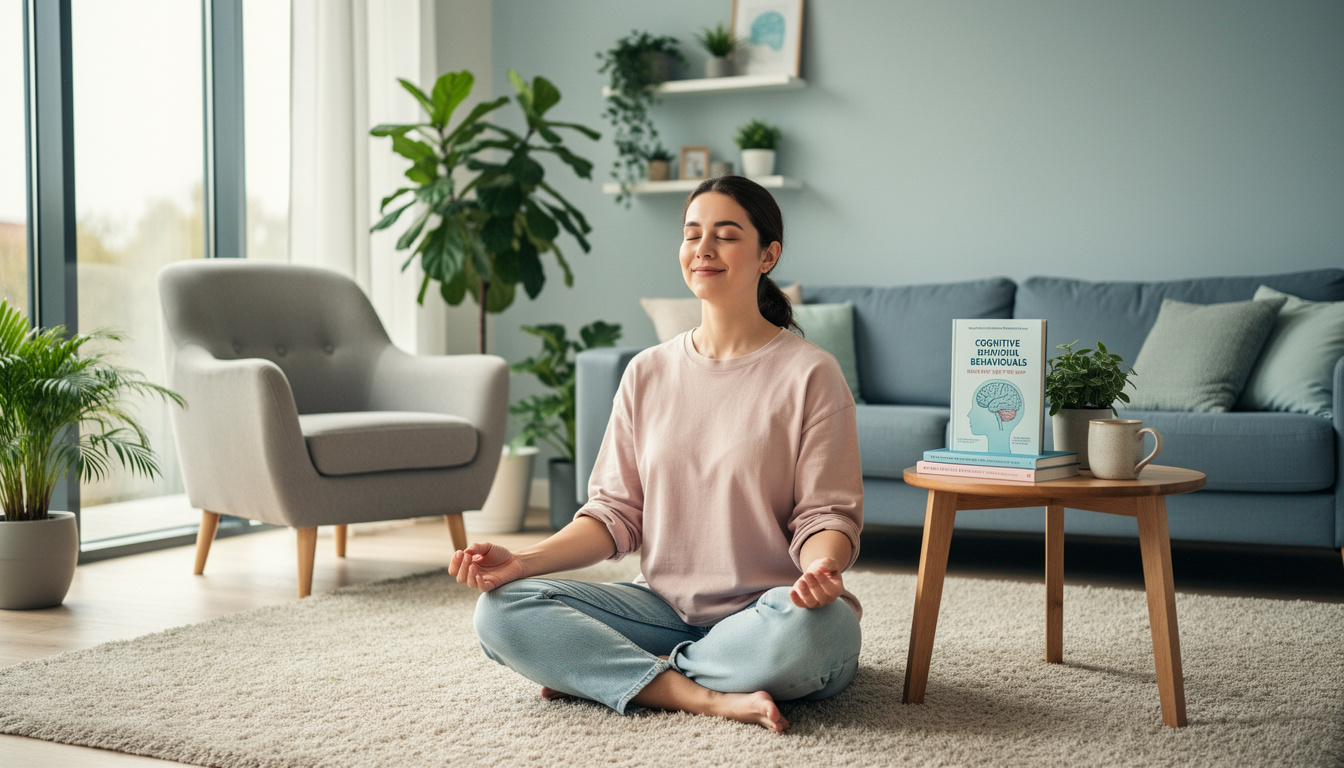
Anxiety affects each of us in a unique and often bewildering way. It sometimes arises without warning, intrudes on our routine, and transforms the slightest setback into overwhelming worry. Beyond fleeting stress, anxiety can become a real mental health challenge in today’s world. Understanding its many facets and discovering how modern psychological approaches, cognitive therapy, relaxation techniques, and mindfulness can transform this consuming energy into a driving force for balance and calm: this is the captivating challenge addressed in these pages. Immerse yourself in a world where emotions find meaning and method, where stress management is tinged with personal development to reconnect with a more serene daily life. Follow this journey, marked by advice, strategies, and concrete tips, but also by plenty of knowing smiles in the face of this “inner superhero” that is anxiety, sometimes a warning signal, sometimes a wild goose chase in our private drama. Whether you’re a beginner, curious, or already engaged in psychotherapy, this article is an optimistic yet realistic companion on your journey toward better emotional management.
In short:
- 💡 Anxiety is a normal and adaptive reaction, but it can become chronic and disrupt daily life.
- 👀 Vigilance, stress management, and self-soothing techniques are key to finding calm on a daily basis.
- ✨ Modern psychological approaches, such as cognitive therapy and mindfulness, offer effective tools for calming anxiety.
📗 Recognizing the signs and symptoms helps to better target treatment strategies.
💪 Personal development, physical exercise, and a healthy lifestyle are essential allies.
🤝 Psychotherapy, in conjunction with other resources, can profoundly transform how we experience our emotions.
- 🔗 Consult the links and resources to learn more about anxiety disorders and their appropriate treatments. Understanding Anxiety: A Protective Mechanism… Sometimes Overwhelming Anxiety, this internal alarm signal, isn’t here by chance: it has survived millennia of natural selection to warn us of danger. But while its role was once to save our lives from a bear, in 2026 it too often reacts to invisible threats, such as the gaze of others or the fear of tomorrow. This defense system then runs on a loop, clouding our perception and emotions. To manage it effectively, it’s essential to first understand what anxiety is and how it manifests in everyday life.
- From a passing bout of stress before an interview to social phobia or generalized anxiety disorder, this inner “superhero” manifests itself in a thousand forms! For some, it manifests as rumination, for others as a racing heart at the slightest upset, or persistent sleep disturbances. A simple professional presentation can become a high-wire act for someone suffering from performance anxiety. Conversely, generalized anxiety instills a diffuse worry, without any specific reason, stifling all spontaneity. But why does our brain go into overdrive like this? The culprit is a malfunctioning internal “radar,” which mistakes everyday challenges for life-threatening situations. Neuroscience shows that the amygdala, a small brain gland, acts as the conductor. Overstimulated, it puts our body into hypervigilance mode: sweating, palpitations, tension, fatigue, all accompanied by a flood of catastrophic thoughts. And while modern competition, screens, and constant connectivity exacerbate these alerts, our inner superhero sometimes struggles to switch off after the crisis. It then becomes essential to distinguish the different facets of anxiety to better understand them:
- 🎭 Social anxiety: persistent fear of being judged by others.
- 🌐 Generalized anxiety disorder: chronic worry without a specific cause.
🏆 Performance anxiety:intense fear in evaluation situations.
🔐Phobic anxiety: fears focused on a specific object or situation.Each anxiety pattern requires attention and adaptation. To delve deeper into this overview, the website
offers a detailed presentation of the symptoms and treatments of anxiety
, an essential resource for those who want to learn about themselves.
- Among the keys to understanding, we should also mention the impact of caffeine , often trivialized, which can amplify palpitations and irritability, as shown in
- this resource dedicated to the link between caffeine and anxiety . Understanding the sources and forms of our anxiety is already the first step towards managing it more calmly.
- Identify the emotional and physical signs to take better action. To go beyond a general diagnosis, it’s invaluable to identify the specific signs of anxiety: those that creep into our actions or arise in our interactions with others. What do we actually feel when anxiety takes over? A mind cluttered with worries, of course, but also surprising physical manifestations, from a knot in the stomach to insomnia, not to mention the diffuse tension that undermines daily life. The more we understand these signs, the better we can manage them! The symptoms manifest on several levels:
- 💭 Cognitive signs: intrusive thoughts, rumination, negative anticipation, attention difficulties.
😓 Emotional signs: excessive worry, irritability, irrational fear, a feeling of imminent danger.
| 🏃 Behavioral signs: | avoidance, compulsions, social isolation. | |
|---|---|---|
| 🩺 Physical signs: | palpitations, sweating, muscle tension, fatigue, nausea, headaches, sleep disturbances. | Recognizing these indicators helps avoid trivializing anxiety or confusing it with a simple case of low mood. For example, a teenager who withdraws from their friends or a colleague who dreads every meeting may be experiencing social anxiety or silent panic attacks. |
| Coping also involves self-awareness: noting in a journal the moments when anxiety arises, identifying its triggers, often helps to identify recurring patterns. Here is a | summary table | outlining the different manifestations and possible approaches: |
| Symptom ✨ | Type of anxiety 📚 | Associated approach 💡 |
| Palpitations | Generalized anxiety | Relaxation techniques |
| Rumination | Social anxiety | Meditation, journaling |
Avoidance Phobias CBT, graded exposure Irritability OCD
Mindfulness, cognitive therapy
Intense fear
Mindfulness, breathing exercises
Tools such as
Managing social relationships to support mental health
- or even separation anxiety support
- prove invaluable in a stress management approach tailored to each individual’s situation. For each identified “alarm bell,” innovative solutions now exist, combining psychology and self-understanding. Concrete example: Anna and stage fright before meetings
- Take the story of Anna, a dynamic manager whose hands become sweaty every time she speaks. Thanks to an observation journal, she was able to link her anxiety attacks to weekly meetings, then put into practice relaxation exercises learned in cognitive therapy. Step by step, Anna transformed her paralyzing fear into a warm presence, appreciated by her colleagues. This shows that accurately identifying the signs paves the way for a customized approach to anxiety management. https://www.youtube.com/watch?v=CDxEy-74eeE
- The Pillars of Stress Management: Practical Exercises, Mindfulness, and Relaxation Knowing how to recognize anxiety is good. But how do you defuse it on a daily basis? This is the key moment in any personal development journey. The 2020s saw the emergence of a host of scientifically validated tools for living more lightly and cultivating self-soothing. From deep breathing exercises to guided meditation sessions, including therapeutic writing or physical activity, the possibilities are as diverse as personalities. All psychological approaches do not seek to eradicate anxiety, but to reduce it to a manageable intensity, where it becomes a protective ally instead of an inner enemy. Among the most effective relaxation techniques:
🧘 Abdominal breathing: Becoming aware of your breath, inhaling slowly, exhaling deeply to calm mental hypervigilance.
📝
The emotional journal:
- Write down your feelings, fears, and victories to channel intrusive thoughts.
- 🏃
- Physical exercise:
- When the body moves, it releases endorphins, breaking the vicious cycle of anxiety.
Mindfulness:
Ground yourself in the present moment through mindfulness to moderate the tendency to anticipate the worst.
These pillars work together. For example, mindfulness is particularly useful for those who live in constant fear of an uncertain future, while the practice of gratitude can “reset” the mind by refocusing on the positive aspects of the day.
- To dare to let go, it’s helpful to try different resources: specialized podcasts, meditation apps, support groups, or even, why not, listen to expert testimonials on
- anxiety treatments.
The bravest among you might try mindfulness exercises during a family gathering—a dreaded exercise, but one that can be incredibly revealing of progress!
List of illustrated stress management techniques🎧 Practice guided meditation for 5 minutes each morning ✍️ Keep a daily gratitude journal🎨 Try art therapy by drawing or painting a difficult emotion 🚶 Take a 20-minute walk in nature without listening to music🩷 Repeat a positive mantra to yourself in anxiety-provoking situations (“I am safe now”)
Everyone has their own ritual! The key is consistency and kindness towards yourself.
Psychotherapy and cognitive therapy: lasting solutions for anxiety
- When anxiety becomes chronic and resistant to self-soothing techniques, it may warrant psychotherapy. Among the most popular approaches is cognitive behavioral therapy (CBT), a structured and pragmatic method that helps identify, understand, and transform the anxious thoughts that disrupt life. Here, the patient becomes an active participant in their own progress. CBT offers:
- 🔄 Restructuring limiting thoughts: identifying and then replacing catastrophic scenarios with realistic alternatives.
- 🧩 Gradually exposing oneself to anxiety-provoking situations, in a safe and supportive environment, to relearn to trust one’s inner resources. 🦸♂️ Strengthening emotional regulation to transform anxiety into a driving force, not a hindrance.
- These methods are validated and recommended for many anxiety disorders, and are associated with a significant improvement in quality of life even after therapy has ended. In addition, medicine can provide temporary support, whether through medication such as those described here:
- the antidepressant venlafaxine for generalized anxiety, hydroxyzine for insomnia and anxiety,
or more targeted options like clonazepam for severe anxiety. These solutions, which should be discussed with a healthcare professional, offer relief while a more stable balance is restored, particularly through psychotherapy. It’s important to remember that current psychology also suggests group sessions, self-affirmation workshops, and alternative therapies tailored to individual personality and life experiences. The goal remains the same: to empower individuals, strengthen self-confidence, and learn to transform anxious energy into an asset. The key lies in perseverance and support, two pillars of success, even in the face of prolonged or recurring crises.
Developing a personalized self-soothing toolkit
| Given the diversity of life paths, each person will benefit from building a set of resources based on their needs, values, and constraints. Stress management here resembles a personal development process: choosing tools, testing them, and adapting them according to one’s evolution and life events. | A good starting point is to: | |
|---|---|---|
| 🔑 | Establish a morning anti-stress routine: | |
| a few minutes of breathing exercises or stretches. | ||
| 📅 | Schedule regular time for yourself: | review your emotions, adjust your goals, and dare to delegate or say no. |
| 📚 Learn about and educate yourself on anxiety: | read, listen to podcasts, ask your loved ones for support, or participate in support groups. | |
| 🌱 Try new tools: | sophrology, hypnosis, progressive muscle relaxation, mind mapping—all paths to well-being. |
☕ Gradually reduce your consumption of stimulants:
coffee, tea, energy drinks, which too often exacerbate nervousness. This anti-anxiety toolkit evolves over time. Sometimes, a few therapy sessions can reignite the momentum; sometimes it’s simply a matter of cultivating self-compassion. Accepting that anxiety is part of the journey also means giving it less power.
To delve deeper and discover how professionals view the diversity of treatments, explore the resources on
Gabapentin for anxiety
or
propranolol for anxiety symptoms
. Everyone can then adjust their choices and gradually build an emotional first-aid kit.
A small table of the self-soothing toolbox: