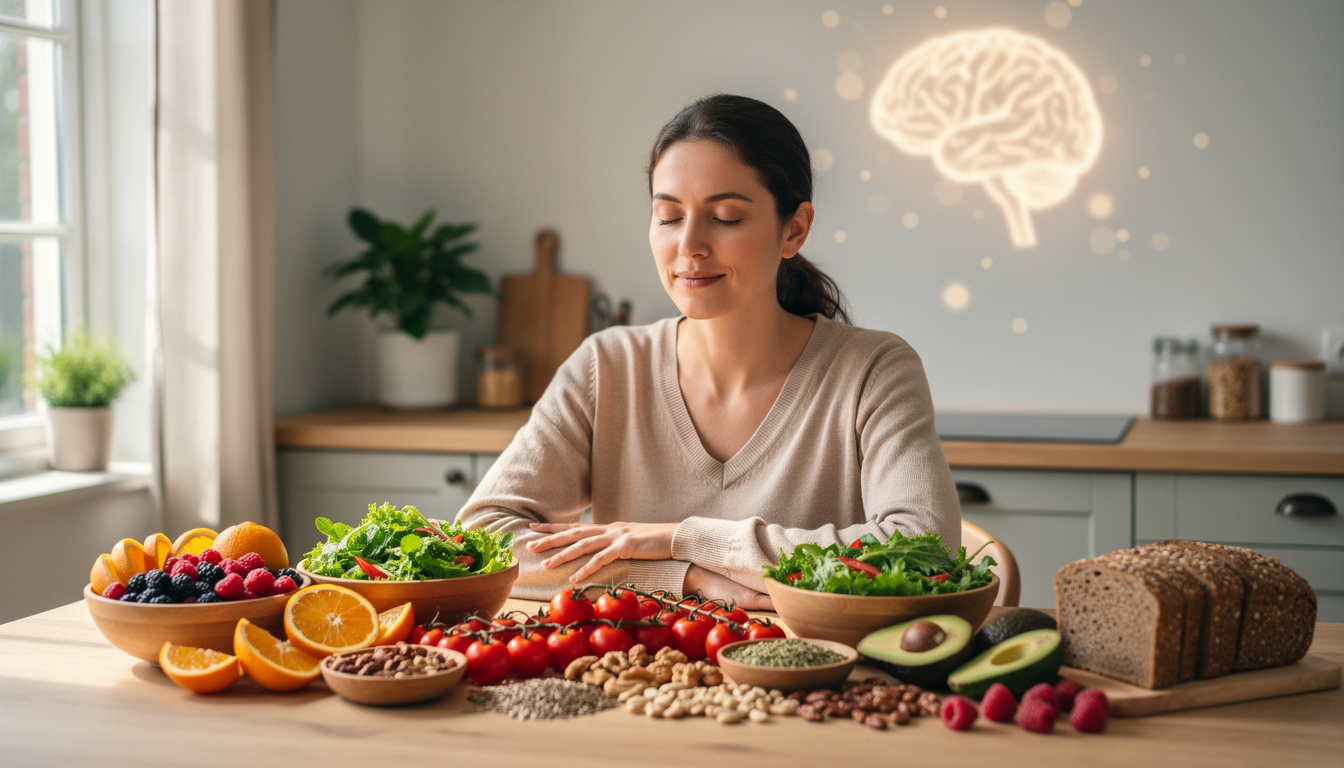
The relationship between nutrition and mental health is increasingly attracting the attention of researchers, healthcare professionals, and the general public. This topic is making its way into scientific laboratories as well as our daily lives. Far from being simply a matter of calories or fad diets, nutrition shapes our peace of mind and the quality of our emotions throughout the day. In an era where stress, work intensity, and lack of time disrupt our lifestyles, understanding the influence of what we eat is becoming essential for preserving our psychological well-being. Recent studies reveal striking connections between the consumption of fruits and vegetables, the frequency of meals such as breakfast, and the happiness experienced by each individual. And that’s not all: the famous gut microbiota, nicknamed the “second brain,” is now emerging as a central player in this dance between body and mind. So, when food becomes an ally of our mood, what are the key factors to understand and the best practices to adopt? The following report delves into the heart of science, experience, and real life to elucidate this sometimes unsuspected, yet fundamental, link.
- 🧠 Many foods directly influence psychological well-being and mental health.
- 🍏 Regular consumption of fruits, vegetables, and omega-3 fatty acids promotes a positive mood. 🌿 The gut microbiota: a key player in emotional balance thanks to gut-brain communication. 😓 Certain mood disorders and stress symptoms can be alleviated by proper nutrition.
- 🥣 The habit of eating breakfast and a varied diet are linked to feelings of happiness.
- 📚 Several contemporary studies confirm the need to integrate the nutritional dimension into psychological care.
- Psychological Well-being: When Our Plate Shapes Our Emotions
What we eat has a surprising influence on our mental health. The famous adage “a healthy body, a healthy mind” then takes on its full meaning. Several literature reviews, such as the one conducted between 2015 and 2020, highlight a central point: a healthy and balanced diet not only provides physical benefits but also improves quality of life and perceived happiness. This idea is based in particular on the increased consumption of fruits and vegetables, which, even more than simply providing vitamins, contribute to increased life satisfaction and mood regulation.
In concrete terms, how does this translate into everyday life? Many people report feeling more energy, enthusiasm, and greater resilience to stress when they prioritize quality foods. Among the key food groups, fruits, vegetables, whole grains, and oily fish (rich in omega-3 fatty acids) top the list of allies for psychological vitality. Conversely, a poor and unbalanced diet, high in refined sugars and ultra-processed foods, is associated with anxiety or more pronounced mood swings. Among the most striking observations, the regularity of breakfast emerges as a key factor in well-being. Skipping this essential meal often leaves the door open to irritability or a persistent feeling of fatigue throughout the morning. Some research, conducted on large cohorts, highlights the importance of a stable eating schedule for emotional stability.Another example is that Western diets, low in fiber and high in saturated fats, are increasingly being criticized for their link to various psychological disorders. Conversely, eating habits inspired by the Mediterranean basin or international nutritional recommendations promote a positive mood and greater resilience to stress. For example, adherence to the recommendations of the “China Dietary Guidelines” has proven to be an excellent predictor of psychological well-being. Real-life example: the impact of dietary change on moodCécile, 32, had long tended to neglect her meals. After several episodes of intense stress, her doctor encouraged her to readjust her diet and prioritize a balanced diet richer in fresh produce, fiber, and healthy fats. The result: after a few weeks, she reported a significant decrease in her stress levels and a much more stable mood on a daily basis. This experience echoes many recent accounts, reinforcing the idea that food acts as a lever for psychological well-being. In short, rethinking your food choices isn’t just about improving your figure or your heart: it’s about giving your mind all the positive energy it needs to thrive.
https://www.youtube.com/watch?v=bfj_noC34sMGut Microbiota and Brain: The Magical Connection for Mental Health
Discovering the Major Role of the Gut Microbiota in
Mental Health
Everything has changed! Today, research considers the gut to be a second brain. With nearly 100 million neurons and in constant communication with our central nervous system, it houses 80% of our immune defenses and directly influences our emotions through the well-known gut-brain connection. When this gut flora – composed of billions of bacteria, yeasts, and friendly microorganisms – functions harmoniously, the body is better prepared to cope with stress, regulate emotions, and promote the production of key neurotransmitters such as serotonin.
microbiota
(Dysbiosis) can be accompanied by sleep disorders, chronic stress, or irritability. The links between irritable bowel syndrome, autism (in its later stages), and mental health reinforce this hypothesis. Some studies even show clear correlations between gastrointestinal disorders and psychiatric disorders. Practical tips for taking care of your gut microbiota: a boost to your mood 🥗 Favor a diet rich in fiber (fruits, vegetables, legumes, whole grains) 🍶 Incorporate fermented foods into your daily meals
💧 Ensure optimal hydration to support digestion 🚫 Reduce ultra-processed foods and refined sugars 🧂 Limit excessive consumption of salt and saturated fats Adopting these simple steps actively contributes to your emotional balance and mental serenity. Discover more tips on stress and its impact in this article:Effects of stress on health
Nutrition, omega-3s, and vitamins: essential nutrients for emotional balance Behind every emotion lies a multitude of biochemical reactions, directly influenced by what we consume.
Omega-3s, found in oily fish (salmon, sardines, mackerel) and vegetable oils, are top of the list for
- mental health
- . These essential fatty acids promote the flexibility of neuronal membranes and optimize the production of neurotransmitters like dopamine and serotonin – the true conductors of mood. The more of these precious lipids the brain receives, the better it resists irritability, stress, and mood disorders common in 2026.
- In addition,
- vitamins
- Groups B, C, and D play a synergistic role in stress management and maintaining mental balance. A deficiency, often invisible, is accompanied by reduced resilience to anxiety-provoking situations, less restorative sleep, and fluctuating mood. The recommended daily intake is now easily met with a varied diet but may require supplements in certain situations (see the analysis on omega-3 and magnesium).
In everyday life, mood disorders manifest as bouts of sadness, irritability, or anxiety, which can result from or be exacerbated by nutritional imbalances. Certain situations, such as a diet low in iron or vitamin B12, increase fatigue, demotivation, and even depressive disorders – find here a detailed presentation of the
medication solutions sometimes necessary. A particularly intriguing point concerns cerebral malnutrition: it is estimated that nearly 80% of brains suffer from inadequate nutritional intake, according to several studies, which permanently weakens emotional regulation. Hence the importance of prevention, nutritional education, and professional support.Nutrition and the Prevention of Psychological Disorders: The Key Role of a Balanced Diet
Adopting a balanced diet not only plays a protective role but can also act as a valuable supplementary remedy against many common psychological disorders. Recent studies indicate that adopting a diet focused on nutritional diversity—combining complex carbohydrates from grains, plant fibers, quality protein sources, and healthy fats—provides a buffer against anxiety-provoking events and seasonal depression. 🍽️ Food Group Effects on Mental Health Example FoodsFruits & Vegetables 🥦Improve mood, reduce stress
Spinach, oranges, berries
Protect against depressive and anxiety disorders
Salmon, sardines, mackerel Whole Grains 🌾 Stabilize energy and mood
Quinoa, brown rice, oats
Legumes 🍲
Promote serotonin production Lentils, chickpeas, beans Fermented Foods 🥛 Support the gut microbiota, and therefore emotions Kefir, plain yogurt, sauerkraut
| Nuts & Seeds 🥜 | Rich in magnesium, reduce irritability | Walnuts, almonds, flax seeds |
|---|---|---|
| In practice, gradually incorporate these food groups into your meals This maximizes the chances of maintaining a strong morale, even during difficult times. Particular attention should be paid to individuals with a history of psychiatric illness: specialized monitoring that includes a nutritional component is then essential (more information on the impact of food during treatment). | Finally, raising awareness among younger generations from an early age and training professionals in this area is becoming a priority for public health policies. Educational programs, cooking workshops, and national campaigns are helping to reverse the worrying trend of unhealthy eating and the resulting mental distress. | Balanced nutrition to the rescue of fragile mental health |
| In 2026, the watchword is personalization: each individual, based on their experiences, genetic makeup, and environment, must learn to compose meals that respect their individual needs. Far from any dogma or dictate, eating a balanced diet helps limit the occurrence of unpleasant symptoms such as those detailed in this article: | signs of psychological disorders | |
| Prevention therefore begins in the kitchen, even before a visit to the psychologist or psychiatrist. | Food and happiness: science links balanced nutrition to personal fulfillment | Happiness, that holy grail we all strive for, sometimes finds its roots… in what’s on our plate! While scientific literature distinguishes between “well-being” and “happiness,” there is considerable overlap. Studies conducted over several years show that individuals who regularly eat fruits, vegetables, and a tasty breakfast are generally happier, more satisfied with their lives, and more optimistic about the future. |
| The “optimal experience,” or flow, so sought after in positive philosophy, seems to be fostered by a state of nutritional fulfillment. Far from being anecdotal, the pleasure of taste enhances the release of endorphins as well as serotonin, the main neurotransmitter associated with happiness. This is how small, everyday pleasures, such as enjoying strawberries at breakfast or biting into a colorful salad, act as true mood boosters. | To illustrate this phenomenon concretely, the study by Guillemin et al. (2016) highlighted a conceptual model linking eating habits and subjective well-being. It turns out that the variety, regularity, and conviviality of meals are among the necessary ingredients for this “happiness” cocktail. Avoiding monotony, listening to one’s cravings, and sharing meals are all strategies that boost personal fulfillment. | |
| https://www.youtube.com/watch?v=AJehcphDyk0 | Conversely, giving in to social pressures, guilt, or deprivation often leads to frustrations from which the mind struggles to recover. A flexible balance, which makes room for indulgence and discovery, fosters self-confidence, sociability, and joie de vivre—precious values in the whirlwind of modern life! | Want to delve deeper into this topic? Explore the link between nutrition and cognitive memory through this fascinating article: |
| Cognitive Psychology and Memory | What foods should you prioritize to improve mental health? |
Focus on fruits, vegetables, oily fish (rich in omega-3 fatty acids), whole grains, legumes, and fermented foods to support psychological well-being and regulate mood.What is the role of the gut microbiota in emotional balance?The gut microbiota, a kind of ‘second brain,’ produces substances that influence the production of neurotransmitters. Its balance promotes stress and emotion management.
How does a vitamin deficiency affect mood?
Vitamin deficiencies, particularly in B, C, and D, and certain minerals, can lead to fatigue, stress, mood disorders, and even depression. A varied diet meets these needs.
What type of diet is associated with a greater sense of happiness? A balanced diet, including daily breakfast, fruits, vegetables, healthy fats, and rich in nutritional diversity, is correlated with a more positive perception of happiness and well-being.How can nutrition help preserve mental health in the face of stress? Adopt a diet rich in essential nutrients, avoid excessive sugar and fat, establish regular mealtime habits, and prioritize social interaction during mealtimes.