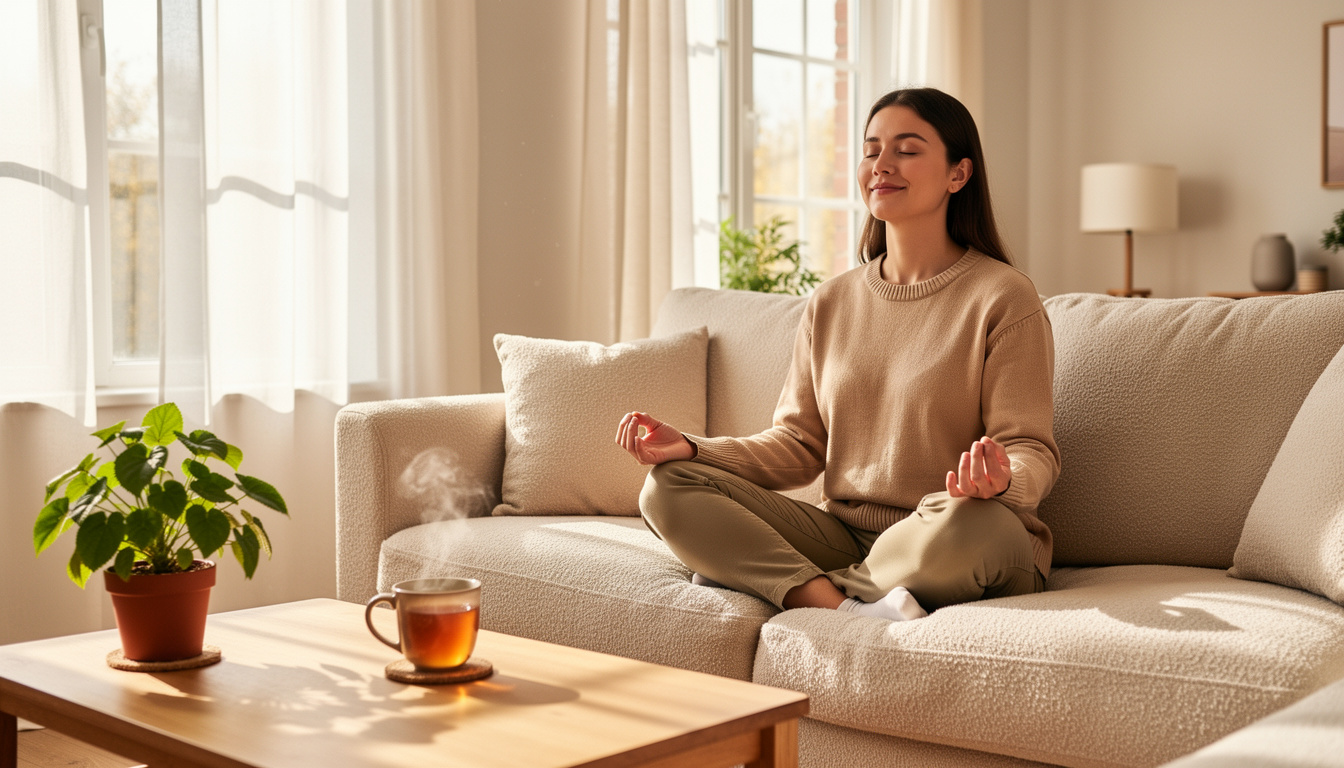
The quest for robust mental well-being has never been more crucial than in 2025, where the frenetic pace of daily life is accompanied by increasingly complex emotional challenges. Between information overload, professional obligations, and the need to stay constantly connected, many people are experiencing mental fatigue and an urgent need to regain balance and peace of mind. Fortunately, simple and scientifically validated solutions are emerging so that everyone can nurture their mind and once again enjoy serenity and confidence. Taking care of oneself means focusing on accessible rituals such as meditation, appropriate physical exercise, the benefits of mindfulness, and a balanced diet. When properly guided, these techniques become invaluable allies for coping with stress, revitalizing the mind, and boosting mood in the long term.
- In short:
- 🧘♂️ Boost mental well-being through meditation and deep breathing
- 🏃♀️ Engage in regular physical exercise, even moderate, to release tension
- 🍎 Focus on a balanced diet and beneficial supplements like omega-3s
- 🌙 Protect your sleep and establish calming evening routines
- 📱 Take a step back from digital overload and cultivate true disconnection
📝 Use journaling and positive visualization as tools for self-reflection and motivation
🌿 Explore mindfulness to savor the present moment, with or without guidance
Meditation and breathing exercises: fundamental tools for calming the mind The beneficial effects of meditation and breathing exercises on mental well-being are now widely recognized, supported by numerous scientific studies and accounts of transformative personal experiences. While meditation spontaneously evokes calm and inner harmony, it is not reserved for initiates or devotees of Buddhist temples. Its accessibility makes it an essential tool for giving the mind a breath of fresh air.
Many discover mindfulness as a gateway to deep relaxation, particularly through the “body scan” exercise, where attention slowly moves over each part of the body, releasing tension and intrusive thoughts. Two minutes are often enough to feel a gentle lightness: simply get comfortable, close your eyes, and focus your attention on the ebb and flow of your breath. This routine, repeated every morning, acts as a bulwark against the grip of daily stress. Breathing exercises, meanwhile, allow you to tame the emotional storm with a few simple steps. The “4-7-8” technique, which consists of inhaling for 4 counts, holding your breath for 7, and exhaling for 8, proves remarkably effective in calming anxiety and promoting sleep during restless nights. This type of tool is also recommended in the context of managing anxiety attacks. Many therapists consider it the cornerstone of initial psychological support. Among the most significant positive effects are a noticeable decrease in cortisol levels, improved concentration, and a reduction in the importance given to negative thoughts. These practices stimulate brain plasticity and promote psychological resilience, even in people prone to seasonal affective disorder (SAD).
or chronic stress. In schools and within the most innovative companies, we are now seeing the systematic integration of meditative breaks throughout the day, proof of a tangible societal shift. Examples of integrating meditation into modern life: Busy city dwellers are discovering new relaxation spaces, veritable havens of calm, nestled in train stations or shopping centers. Popular mobile apps offer guided meditations and daily reminders to establish a mindful discipline, free from any pressure to perform. There’s nothing stopping you from setting aside your mental baggage for five minutes, the time it takes to complete a breathing or mindfulness cycle, and leaving feeling recharged as if after a mini-nap.
In short, meditation and breathing are essential pillars of mental well-being. Their gradual adoption is becoming a clear sign of the new importance given to mental health in the society of tomorrow. https://www.youtube.com/watch?v=ql7GTaLDZS8
Physical activity: a powerful tool for boosting mental health
By 2025, sport is no longer solely about performance; it’s becoming a ritual of emotional balance. According to the latest research, just twenty minutes of movement a day is enough to stimulate the production of endorphins, those famous “feel-good” hormones that act as natural antidepressants. Whether it’s a walk in nature or a yoga session at home, the important thing is to structure your days accordingly.
Anxious people, like Marc, who dreaded enclosed spaces due to persistent taphophobia, often find dramatic relief in the gentle practice of walking or cycling: attention is redirected to breathing, to the present moment, to the sensation of their feet touching the ground. This physical grounding acts as a release valve and helps calm mental rumination. The enthusiasm for team sports continues, as the social aspect strengthens the feeling of belonging to the group. When teenagers learn boxing together or seniors get together for a gentle exercise class, a whole aspect of mental health is supported by the strength of connection.
✨ Activity
⚡ Mental Benefits
👥 For whom? Brisk walkingReduces anxiety and stress, oxygenates the brain
| Beginners, seniors, all levels | Yoga | Develops body awareness, brings relaxation |
|---|---|---|
| Stressed individuals seeking calm | Swimming | Relieves tension, promotes restful sleep |
| Active individuals needing to let off steam | Free dancing | Releases emotions, cultivates joy |
| Creative individuals, children, families | Everyone can mix and match according to their preferences: a sporty morning, an afternoon yoga break, a stroll at dusk—all of this builds a solid mental foundation, provided that enjoyment remains central to the process. | |
| https://www.youtube.com/watch?v=jlgf7z3KwdY | The power of stress management and positive visualization | Many people, overwhelmed by daily worries, struggle to regain control of their emotions. This is where stress management and positive visualization come in—often complementary techniques that help cultivate a strong and optimistic mindset. Stress management often begins with identifying triggers: work overload, family conflicts, fear of failure, or phobias, including affectophobia. Acknowledging your fears is already a significant step in diminishing their power. Once these sources of tension are identified, various tools prove effective: conscious breathing, mini-breaks, exercise, or even creativity through drawing or music. |
Positive visualization stands out as a valuable resource accessible to everyone. This technique, originating from the mental preparation of elite athletes, involves mentally projecting oneself into a state of success. For example, imagining a stress-free business meeting or an important appointment approached with confidence trains the brain to adopt a confident posture when the time comes. For younger people, visualization is often expressed through stories where they become the heroes of their own tales—a playful way to create a positive inner climate.
Focus on the effectiveness of positive visualization in business and schools: Innovative companies are implementing visualization workshops before strategic meetings, while schools are encouraging their students to imagine their future success to boost self-esteem and perseverance. These practices, already common in North America, are inspiring a wave of optimism in French institutions. We are seeing increased motivation, better coping with setbacks, and a release of creativity, even among people prone to the impact of stress on their health. Taking control of stress is no longer seen as unattainable: it’s becoming a daily practice, accessible to everyone, from the anxious high school student to the overwhelmed adult seeking confidence.
Balanced diet, supplements, and lifestyle: a foundation for mental well-beingWe sometimes forget that the key to a rested mind begins with what we eat. A balanced diet and targeted supplements, such as omega-3 fatty acids or magnesium, are crucial for mental equilibrium.Numerous studies confirm the interdependence between the gut microbiota and mental health: prioritizing fruits, vegetables, whole grains, and healthy fats ensures a full supply of micronutrients essential for the brain. Omega-3 fatty acids, in particular, boost neuronal plasticity and limit the onset of anxiety and depressive disorders. These valuable fatty acids are found in oily fish, certain oils, or can be taken as recommended supplements, as detailed in this
article on the role of omega-3s and magnesium. Let’s not forget the regenerative power of
restorative sleep.
Lack of rest weakens mood, amplifies concentration difficulties, and increases emotional sensitivity. Adopting a bedtime routine, avoiding screens late at night (a sign of a necessary digital detox!), and enjoying a soothing ritual make all the difference. Those who enjoy reading and relaxing herbal teas savor these moments like essential bubbles of tranquility, guaranteeing a peaceful night.
Finally,digital disconnectionis becoming one of the essential pillars of modern mental hygiene. Setting aside thirty minutes each day away from notifications, social media, and emails allows the mind to regain clarity and freshness. Easier said than done, of course, but this time remains invaluable for refocusing, walking, sharing a genuine smile, or simply contemplating one’s surroundings.
The ideal routine for cultivating daily mental hygiene:
🥗 Choose fresh and varied foods at every meal
💧 Drink enough water to maintain mental energy 🕰️ Maintain regular mealtimes and bedtimes 📴 Schedule periods without any screens, even short ones
🌱 Try supplements like magnesium during stressful periods 📚 Swap your scrolling for an inspiring book or podcastIt’s often the small changes, maintained over time, that spark the greatest mental transformations. Calming habits are no longer a luxury, but a necessity within everyone’s reach.
Journaling, mindfulness, and emotional exploration: knowing yourself to move forward more effectively Mindfulness and journaling form a valuable alliance for those who want to deepen their self-knowledge without lengthy psychotherapy. These tools amplify the ability to observe one’s emotions, name them, and then transform them so that they become sources of progress rather than obstacles. Starting journaling isn’t about imposing a restrictive ritual: simply take five minutes in the morning or evening to write down a feeling, a goal, or something you’re grateful for. This intimate writing frees the mind from inner turmoil, soothes diffuse tensions, and prepares the mind to invent solutions rather than ruminating on the day’s problems. Mindfulness, for its part, invites us to savor each experience without judgment. We learn to welcome simple moments—the pleasure of a ray of sunshine on our skin or the tranquility of a silent journey—without clinging to them or rejecting them. It is also a balm for those struggling with phobias, such as herpetophobia or ornithophobia. We experience safety in the here and now, without anticipating the threat. Spontaneous writing workshops, shared in a group or experienced at home under the watchful eye of a pet, offer a path to greater self-understanding, facilitate the management of intense emotions, and foster the flourishing of creativity. Far from being a passing fad, journaling appeals to students, working professionals, and even seniors seeking meaning after retirement.The art of anchoring mindfulness in daily life
Yoga enthusiasts incorporate it through breathing pauses in the street, while parents use it for quiet intergenerational moments, much like establishing new family rituals. Several apps offer short body scan exercises, ten-minute meditations, or questionnaires to identify emotions and needs for the day. With regularity, we develop a comforting sense of self-awareness: difficulties diminish in magnitude, and every success, however small, is celebrated. Knowing oneself allows us to embrace life’s unexpected events with greater flexibility and optimism, regardless of the turbulence of the outside world.
✨ Free writing: capturing unfiltered thoughts
- ✨ Daily gratitude list
- ✨ Weekly review to track emotional progress
- What are the best breathing exercises for managing daily stress?
- Techniques like heart coherence, the ‘4-7-8’ breathing pattern, or simply lengthening the exhalation are ideal for calming the mind and reducing anxiety. These exercises can be done at any time of day to regain calm and self-control.
- How can you practice mindfulness during a busy day? Taking a few minutes to pay attention to your bodily sensations, your breathing, or your immediate surroundings (sounds, smells, textures) allows you to quickly cultivate mindfulness, without any constraints of place or time. Simply noticing a pleasant detail is enough to anchor the moment.
Can you significantly improve your mental well-being by changing your diet?
Yes, a diet rich in omega-3 fatty acids, vitamins, and minerals, combined with proper hydration, positively influences emotional balance and stress management. It is advisable to reduce refined sugar, excessive caffeine, and processed foods to optimize mental well-being.
Why is journaling recommended for mental well-being? Journaling offers a space for the liberating expression of emotions, helps clarify thoughts, and fosters the discovery of solutions to everyday problems. Writing down feelings and goals allows for better self-understanding and helps direct the mind toward what truly matters.